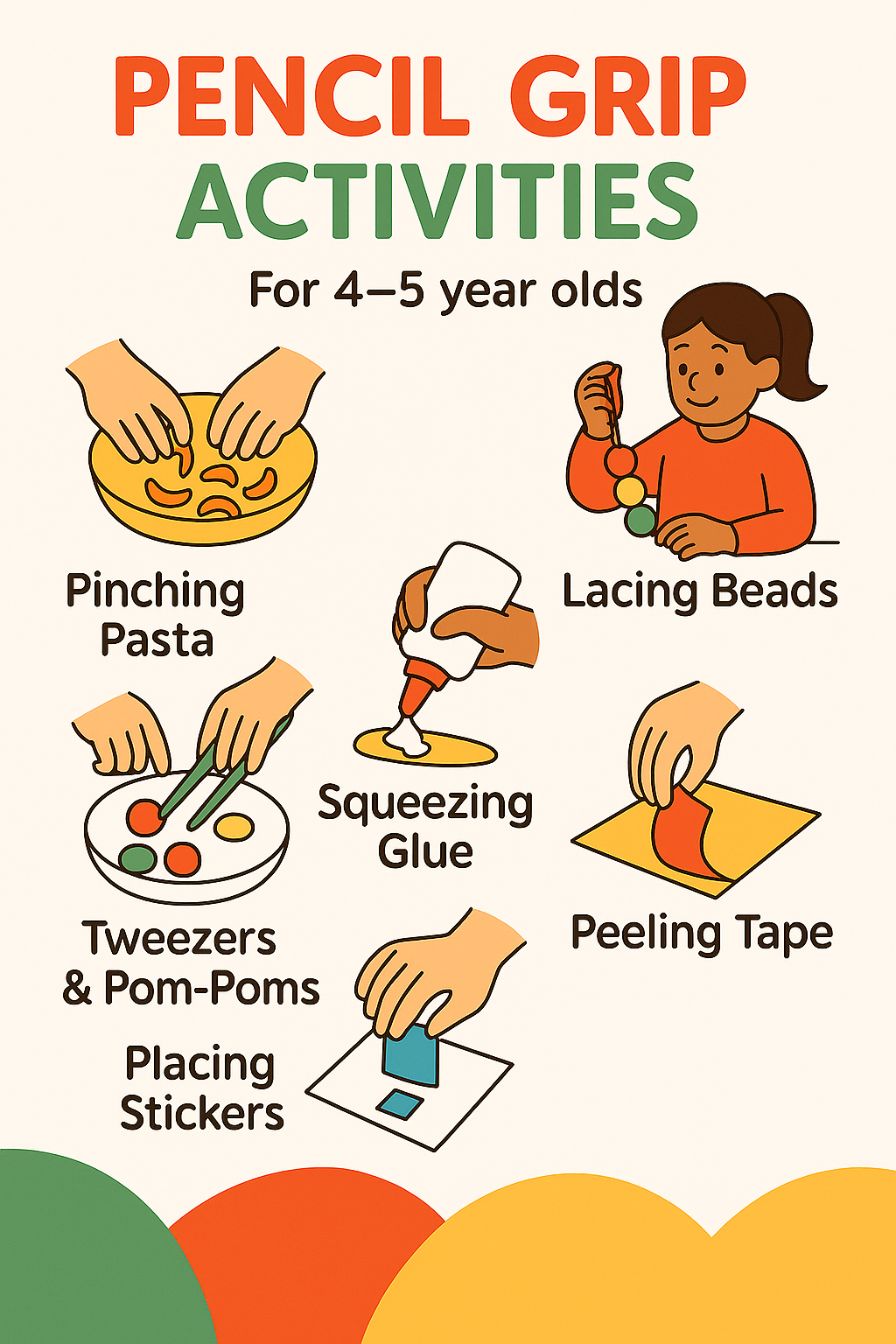
Fine Motor Skills and Pencil Grip
Developing strong fine motor skills is a vital foundation for successful writing. These small muscle movements in the hands and fingers enable children to control a pencil with precision, build hand strength, and develop coordination. When fine motor skills are secure, children are more likely to achieve a comfortable and efficient pencil grip, which supports clear letter formation, stamina for writing, and overall confidence in recording their ideas. Writing can feel physically challenging, which may impact on a child’s enjoyment and progress.
Each day in Little Herons, Nursery and Reception, children take part in carefully planned fine motor activities such as threading, cutting, manipulating small tools, dough disco, and finger strengthening exercises. These skills are also reinforced through play in our continuous provision, where activities like construction, creative arts, small world play, and malleable materials naturally promote hand development. To support this development, we use the Move 2 Write intervention in Nursery and Reception, which focuses on building the core strength, shoulder stability, and hand control needed for effective writing. Posters are displayed within Little Herons, Nursery and Class 1, highlighting activities to help develop fine motor skills, and these have been shared with parents and carers to help support their children at home.
Children from Year 1 to Year 6 regularly practise and develop their fine motor skills and pencil grip as part of their daily literacy and writing lessons, as well as across the wider curriculum. Teachers consistently model and reinforce an effective tripod grip and support pupils in building the hand strength needed for fluent, comfortable writing. In addition, weekly handwriting lessons include a specific focus on correct pencil grip, posture and writing position to help children develop confidence and accuracy in their written work.
We provide direct guidance and gentle correction to support the development of an appropriate pencil grip, ensuring they form good habits that will support fluent and comfortable writing as they move through school. Children are given this support, whatever year group they are in. Developing and progressing towards a tripod grasp helps children write with better control and less fatigue. Using simple reminder phrases—such as “pinch, tuck, rest” or “froggy fingers” can help children remember how to position their fingers correctly. Regular practice and gentle correction support the development of good habits, and for some children, using physical pencil grips can provide the extra guidance they need to stabilise their fingers. Consistent encouragement and repetition help children move confidently toward an efficient tripod grasp.
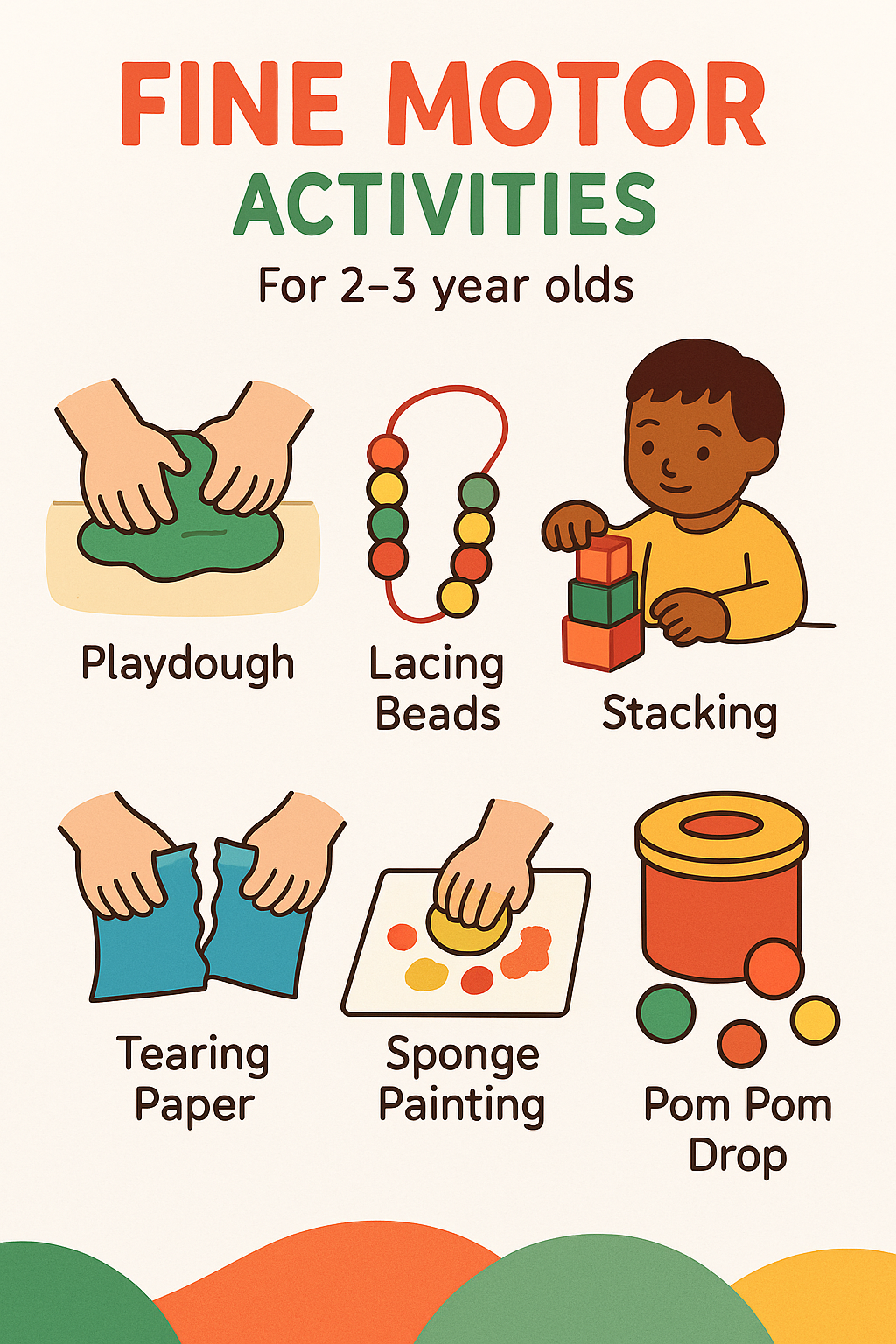
fine motor activities 2-3
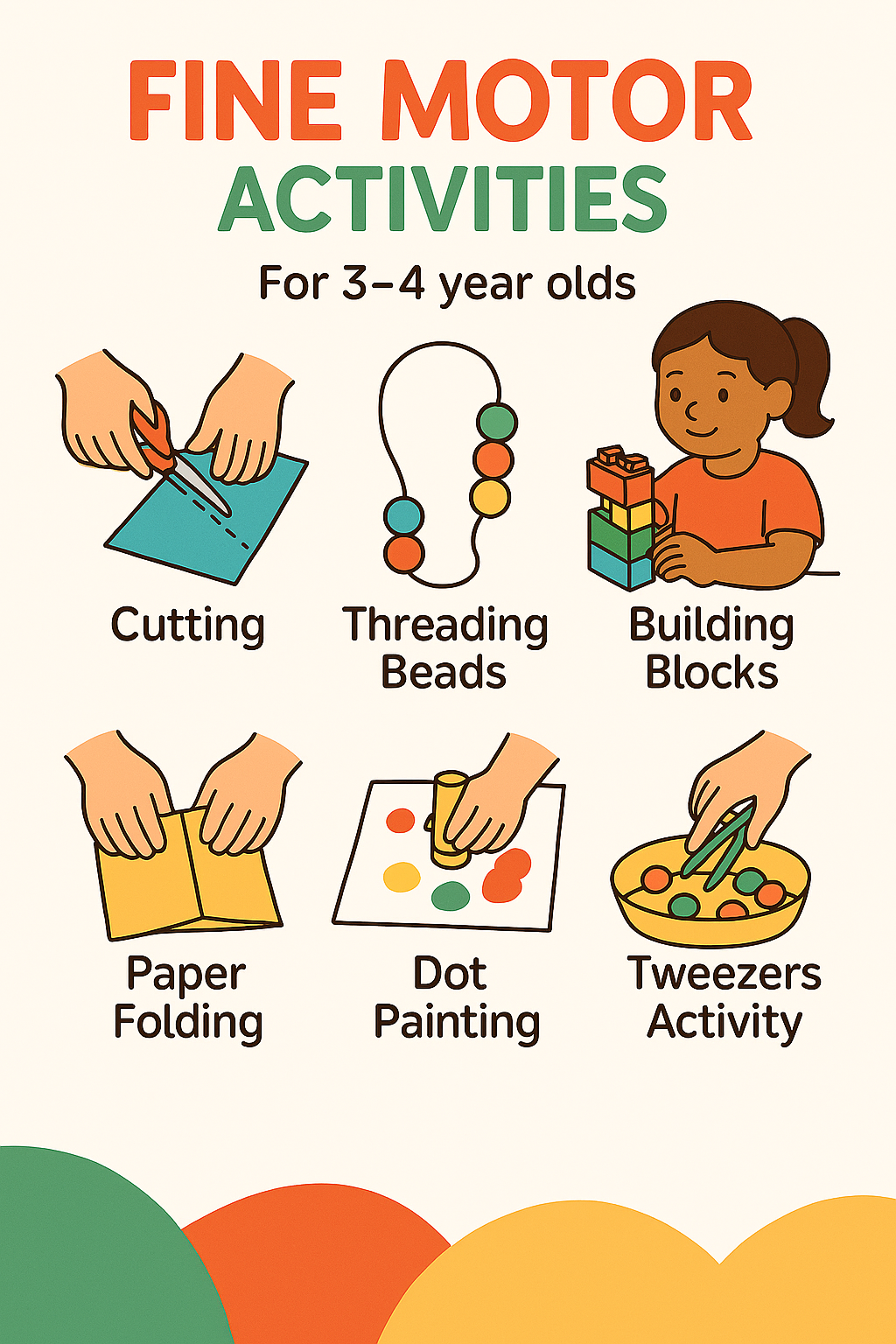
Fine Motor activities 3-4